Stopping Copper Theft: How Radar-Based Detection Cut Substation Losses by 98%
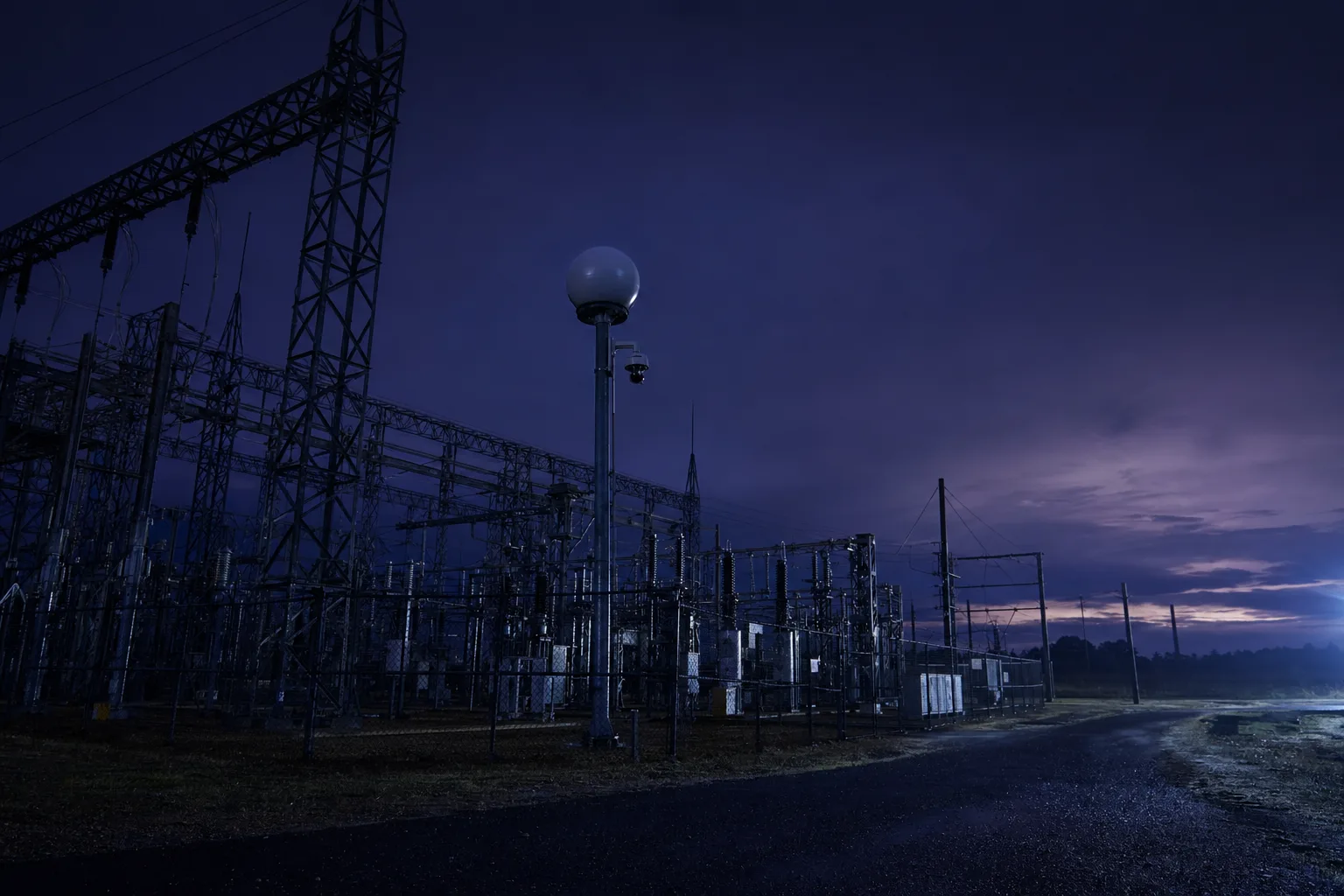
Copper theft at electric utility substations is not a nuisance crime. It is a safety emergency. Thieves cutting into energized equipment risk electrocution, arc flash explosions, and cascading power outages that affect thousands of customers. For a regional electric cooperative serving rural communities across four states, copper theft had escalated from an occasional problem to a crisis: 87 incidents across 45 substations in a single year, totaling $2.3 million in direct losses and repair costs.
This case study details how the cooperative deployed a radar-based perimeter detection system across all 45 sites, integrated it with their existing SCADA infrastructure, and reduced copper theft incidents by 98% within the first 12 months of full deployment.
The Problem: Scale and Geography
The cooperative's service territory spans over 30,000 square miles of predominantly rural terrain. Their 45 substations are scattered across farmland, forest, and semi-arid plains, many of them more than an hour's drive from the nearest law enforcement office. The substations are unmanned, visited by maintenance crews only for scheduled inspections or emergency repairs.
Before the project, most substations had minimal security: six-foot chain-link fencing with barbed wire, padlocked gates, and warning signage. Some sites had basic analog cameras, but these were rarely monitored and the footage quality was insufficient for identification. Thieves had learned the patterns: they knew which sites were furthest from town, which had no cameras, and which had the most accessible copper ground straps and wiring.
Safety Impact
In one incident, a copper thief made contact with a 7,200-volt bus bar, causing a phase-to-ground fault that triggered a transformer explosion and a 6-hour outage affecting 4,200 customers. The thief survived with severe burns, but the utility faced $340,000 in equipment replacement costs and regulatory scrutiny.
Before: Baseline Metrics (2022)
Why Radar: The Technology Decision
The cooperative evaluated several detection technologies before selecting radar as the primary platform. The decision came down to three factors unique to their environment:
- Coverage area per unit. A single ground-based radar unit can cover a 360-degree area with a radius of up to 500 meters. For a typical substation with a 200-meter perimeter, one radar unit provides complete coverage. Achieving the same coverage with cameras would require 8 to 12 units plus IR illuminators.
- Weather independence. Radar operates reliably through rain, snow, fog, and dust storms, all common conditions across the service territory. Camera-based detection degrades significantly in these conditions.
- Low bandwidth requirements. Radar generates metadata (target position, speed, heading, classification) rather than video streams. This is critical for remote sites with limited cellular backhaul. A radar unit transmits approximately 50 Kbps of data, compared to 4-8 Mbps per camera stream.
Implementation: Phased Rollout
The deployment was executed in three phases over nine months. This phased approach allowed the team to refine the system configuration and alarm rules at each stage before scaling to the next group of sites.
Phase 1: Pilot (5 Sites, Months 1-3)
The five highest-theft sites were equipped first. Each site received one radar unit mounted on a 20-foot pole at the center of the substation, plus two PTZ cameras slaved to the radar for visual verification. When the radar detected a target crossing a defined perimeter zone, it automatically steered the nearest PTZ camera to the target and began recording. Alerts were sent to a 24/7 remote monitoring center via cellular backhaul.
During the pilot phase, the team spent significant time tuning detection zones and classification filters. Early configurations generated false alarms from deer, coyotes, and tumbleweeds. By the end of month two, the team had refined the radar's classification algorithms to distinguish between animals (which produce a specific radar cross-section and movement pattern) and humans, reducing false alarms to fewer than two per site per day.
Phase 2: High-Risk Sites (15 Sites, Months 4-6)
With the detection rules validated, the next 15 highest-risk sites were equipped using the same configuration template. The standardized approach reduced per-site installation time from five days to two days. Cellular signal strength surveys were conducted at each site before deployment, and sites with weak coverage received signal boosters or directional antennas.
Phase 3: Full Deployment (25 Sites, Months 7-9)
The remaining 25 sites, which had lower historical theft rates, received radar-only deployments without PTZ cameras. Alarms at these sites triggered audio warnings (pre-recorded voice announcements and siren tones through on-site speakers) and dispatched the nearest patrol unit. This tiered approach kept costs manageable while still providing deterrence across the entire fleet.
SCADA Integration
A critical success factor was integrating the security system with the existing SCADA platform. When a radar alarm triggered at a substation, the SCADA system received a corresponding notification that appeared on the grid operator's HMI display. This gave operators immediate context: they could see whether an intrusion alarm correlated with any electrical anomalies, such as a sudden phase imbalance or ground fault, which might indicate that a thief had made contact with energized equipment.
The integration used Modbus TCP to pass alarm states from the security platform to SCADA. Each radar zone was mapped to a discrete input point in the SCADA database, allowing operators to see exactly which zone was in alarm and correlate it with the substation's one-line diagram.
After: Results (12 Months Post-Deployment)
The two remaining incidents occurred at sites during the Phase 3 rollout window before the radar was fully operational. Once all 45 sites were live, there were zero successful theft incidents for the remainder of the measurement period. Fourteen arrests were made based on radar-triggered video evidence, compared to just three arrests the previous year.
ROI Analysis
Project Financial Summary
Total System Cost (45 Sites)
Radar units, PTZ cameras, speakers, poles, cellular, installation
Annual Monitoring Cost
24/7 remote monitoring center + cellular data
Previous Annual Losses
Copper theft + equipment damage + outage costs
First-Year Net Savings
Avoided losses minus system + monitoring costs
The system paid for itself in under eight months. From year two onward, the annual net savings exceed $2 million when comparing the $216,000 monitoring cost against the $2.3 million in previously recurring theft losses. Beyond the financial metrics, the elimination of theft-related outages improved customer satisfaction scores and reduced regulatory exposure.
Lessons Learned
- Pilot before scaling. The three-month pilot phase was essential for tuning detection rules and reducing false alarms. Deploying 45 sites simultaneously with untested configurations would have overwhelmed the monitoring center.
- Audio deterrence works. In multiple incidents, the automated audio warning ("You are trespassing on an electric utility. You are being recorded. Law enforcement has been dispatched.") caused intruders to flee before reaching any equipment. The speakers cost less than $200 per site and proved to be one of the most effective deterrents.
- SCADA integration is a force multiplier. Connecting the security system to SCADA allowed operators to correlate intrusion alarms with electrical faults in real time, improving response time and enabling faster damage assessment.
- Tiered deployment controls costs. Not every site needs PTZ cameras. Radar-only sites with audio deterrence proved nearly as effective as fully equipped sites at a fraction of the cost.
Conclusion
This deployment demonstrates that copper theft at remote substations is a solvable problem. The combination of radar-based detection, automated deterrence, and SCADA integration created a security system that protects 45 sites around the clock without requiring on-site personnel. The financial case is clear: the system paid for itself in under a year and continues to deliver over $2 million in annual savings.
At Zimy Electronics, we design and deploy perimeter detection systems for utilities facing similar challenges. Whether you need to protect a single critical substation or a fleet of remote sites across a wide service territory, Zimy Electronics brings the field experience to deliver detection systems that perform in harsh, remote environments — not just on spec sheets.